When Joseph Kam first arrived in Ambon in March 1815, he thought his work would be to evangelize non-Christians. Only upon his arrival did he see a different, more urgent task. Instead of seeking new converts, Kam was faced with the reality that the Christians there were like abandoned children, with no one to nurture their spirituality. Churches had been established, but not everyone had personally accepted or come to know Christ.
Nearly three centuries before Pastor Kam's arrival, the Maluku Islands had heard the Gospel brought by the Portuguese. But over time, and due to political changes, the clergy had left the islands behind. During his years in Maluku, Kam dedicated his life to nurturing the faith of the congregations. He preached, opened schools, and traveled from island to island. For his work, the people of Maluku today have dubbed him the "Apostle of Maluku."
***
I heard this piece of Joseph Kam's history as the car I was in drove past a large church in the middle of Ambon, a city and island we were visiting for the very first time.
"Kam's grave is inside this church," said Pastor Kornell, who was accompanying us. "Do you want to go in?" he asked.
But the weather in Ambon had been miserable all day. While the western parts of Indonesia were well into the long dry season, Ambon was incredibly wet, affected by storm winds from northern Australia.
We decided against entering the church complex. However, our discussion about Christianity in these “Spice Islands” continued. After Kam's death, mission work in Maluku did not stop. In the modern era, Maluku is a province with a significant Christian population; we had often heard it referred to in demographic discussions as a “Christian heartland” in a country where Christianity is, in fact, a minority. In the 2021 census, 46% of the total population identified as Christian.
During my days in Maluku, the strength of the Christian tradition was palpable. Churches in the city used external loudspeakers to play hymns, something unfamiliar to me from my daily life on Java. Even on Seram Island, the church near the house where we were staying would start playing songs while the sky was still dark. But as we traveled further from the district or sub-district capitals, crossing seas and heading deep into the wilderness, I discovered another side of the Christianity that has been rooted in Maluku for more than five centuries.
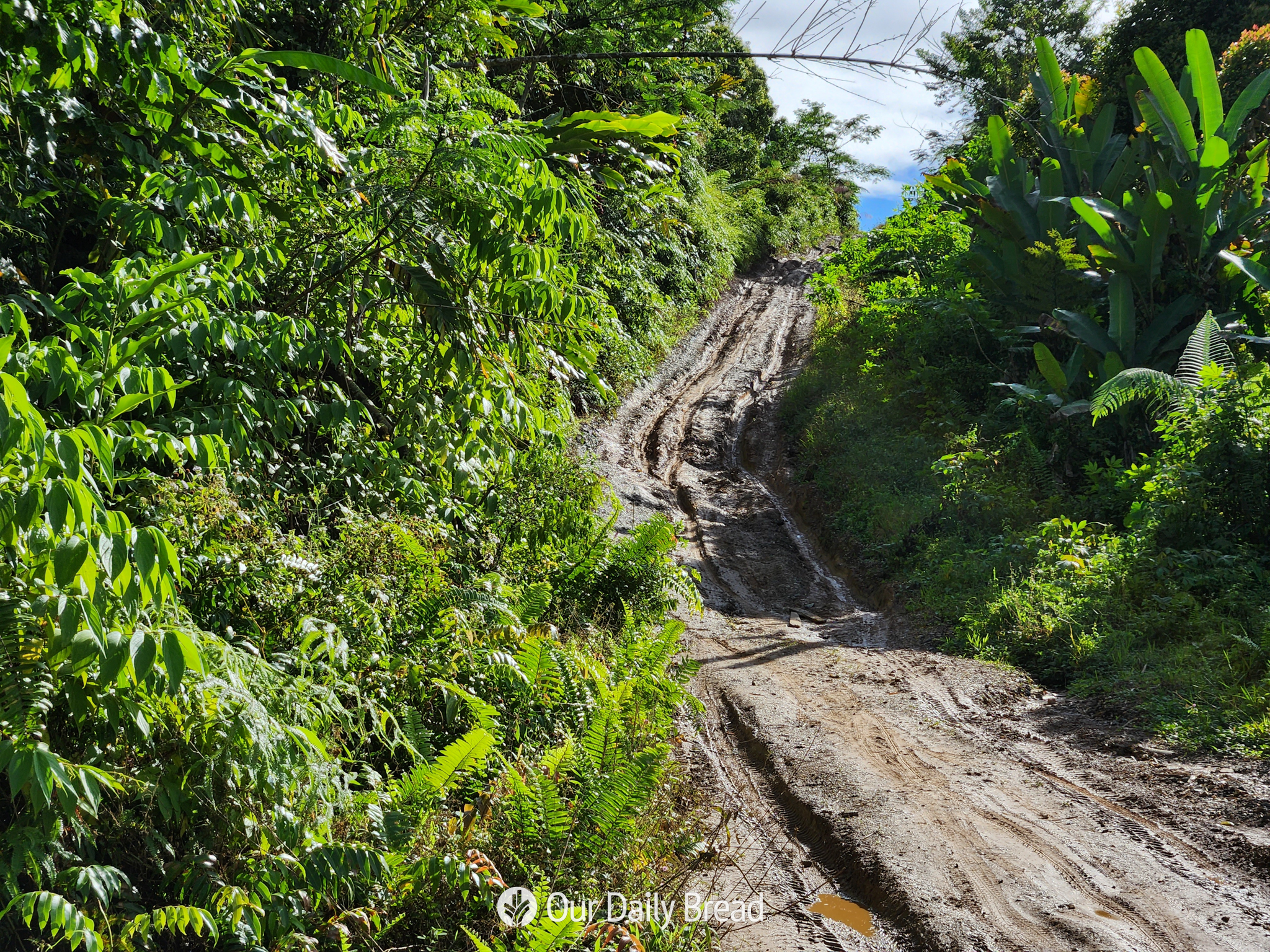
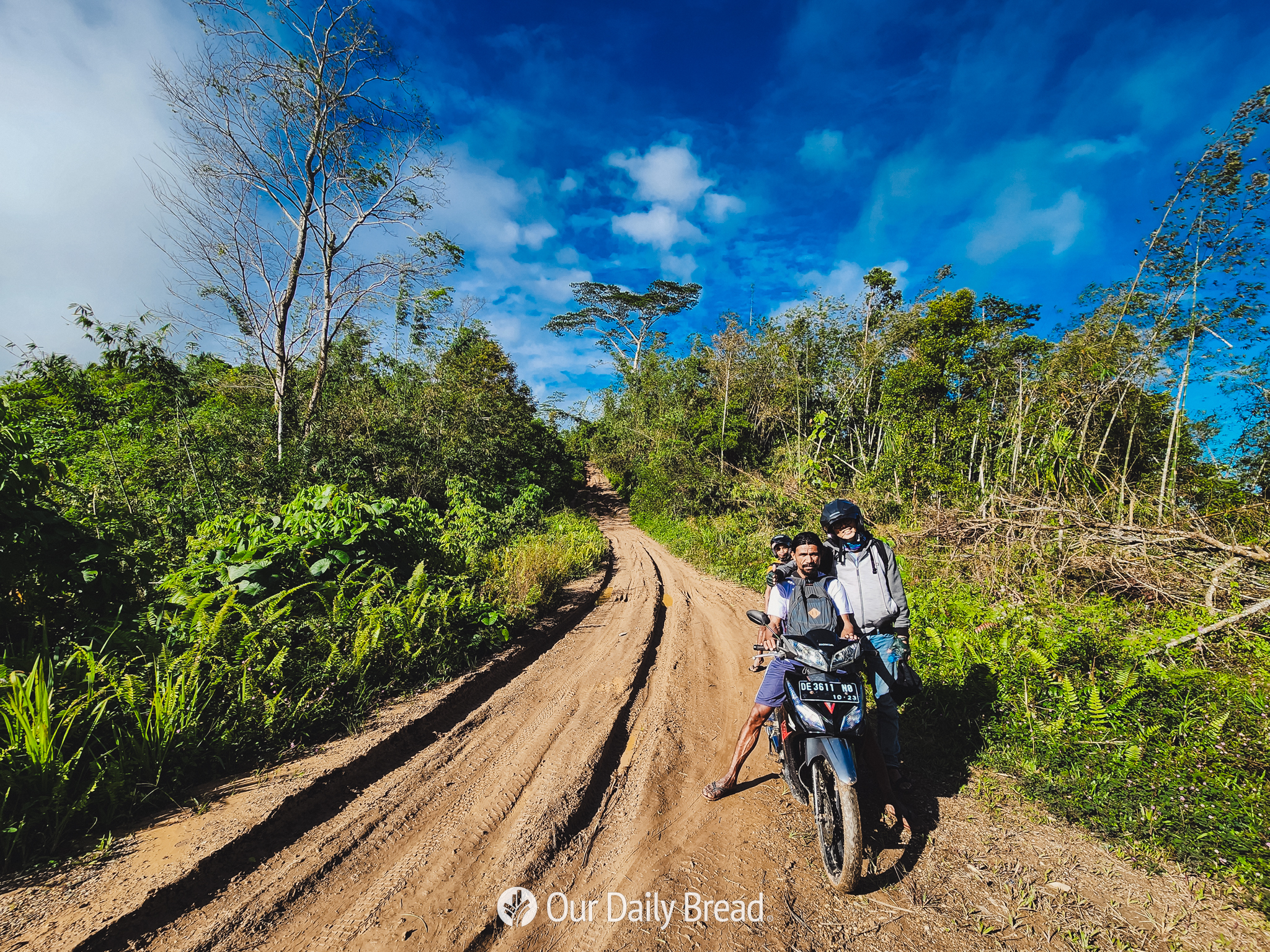
From Ambon, we set off for an isolated village in the mountains called Negeri Manusa. Reaching this destination was not easy. First, from Liang docks on the northern coast of Ambon Island, we took a ferry to Waipirit harbor on Seram Island. Second, the journey had to continue with our team splitting up. Pastor Bungaran and I went on motorbikes, while the rest of the team and our luggage were transported in an off-road vehicle. Manusa lay isolated behind the mountains, and the only access was via a muddy track through the dense jungle. The one-way journey took a full five hours!
Coming from a life of city comforts, the journey to Manusa was frankly terrifying. The tarmac roads gave way to mud, and concrete bridges were replaced by wooden logs. What if the motorbike swerved and we came off? Doctor Susi, accompanying us on the trip, mentioned that the only hospital that could treat a broken bone was all the way back in Ambon! The thought of having an accident was awful: we would have to endure a painful sea crossing, groaning in pain, just to get treated. But thankfully, with God's help and the incredible skill of the local riders in mastering the terrain, none of the worst-case scenarios I had imagined came true.
There is something unique about Maluku’s demographics. As an archipelago, population centers, district capitals, and economic hubs are concentrated along the coast. However, with modernization and migration, these coastal areas have become more populated by people from other regions who have settled there to farm or open businesses. In the hillier regions, towards the interior of the islands, you find the local Melanesian people—the Christians—have their settlements.
Manusa is home to over 800 people, all of whom identify as Christians. A single, large church stands in the middle of the settlement. However, a pastor or minister does not live there permanently. The infrastructure is also far from adequate; besides the difficult and isolated access, the government has installed electricity poles, but no current runs through them yet. For worship services or other needs requiring electricity, the villagers rely on a generator kept at the church. Mobile signal? That was also rare.
Coming with us was Pastor John, who serves the Manusa congregation. He seemed completely at ease while exhaustion gripped most of us.
“I do this every week on a motorbike,” he told us with a small laugh. “In my early days in the ministry, I used to fall off my bike on this track all the time,” he added.
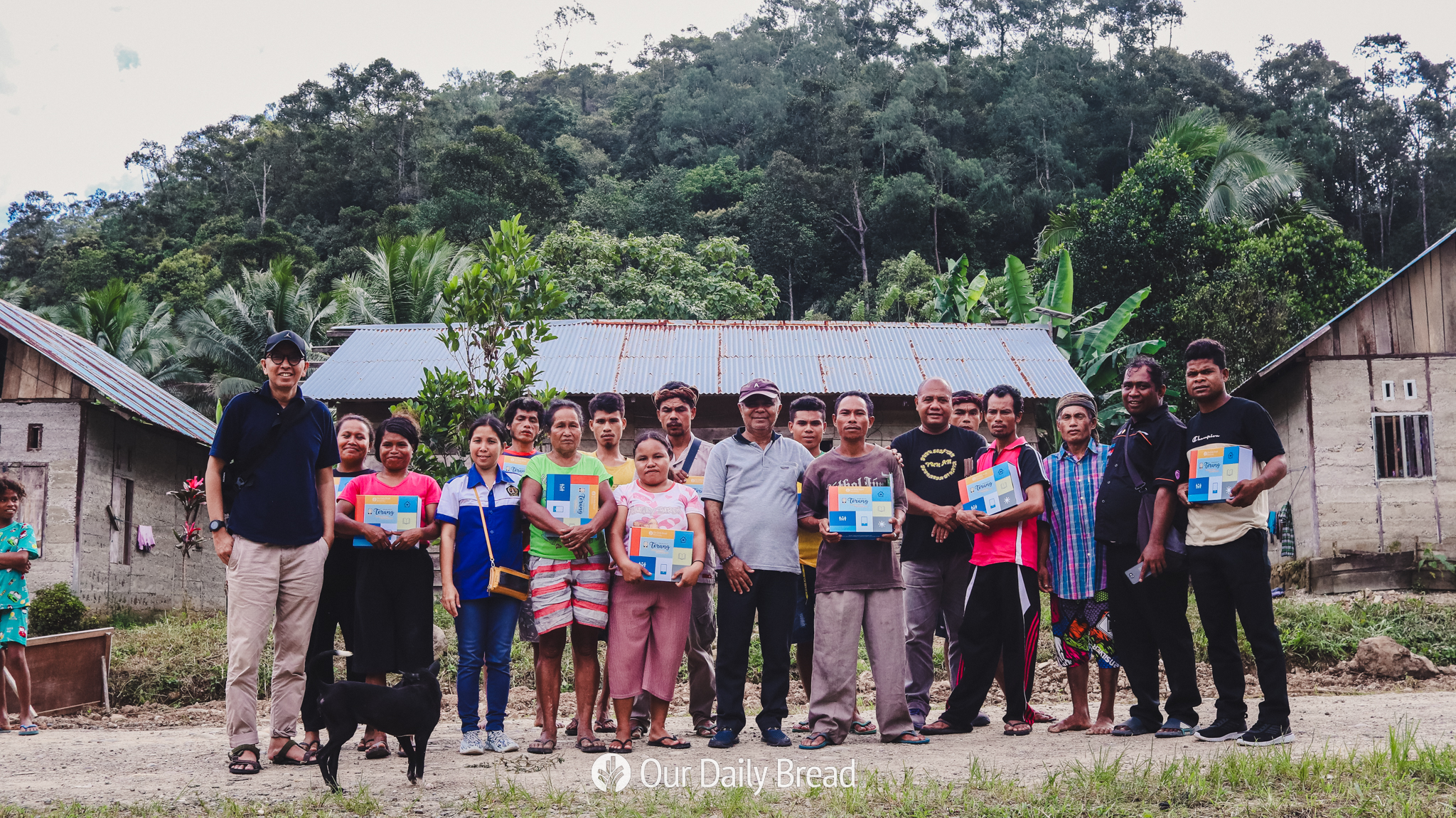
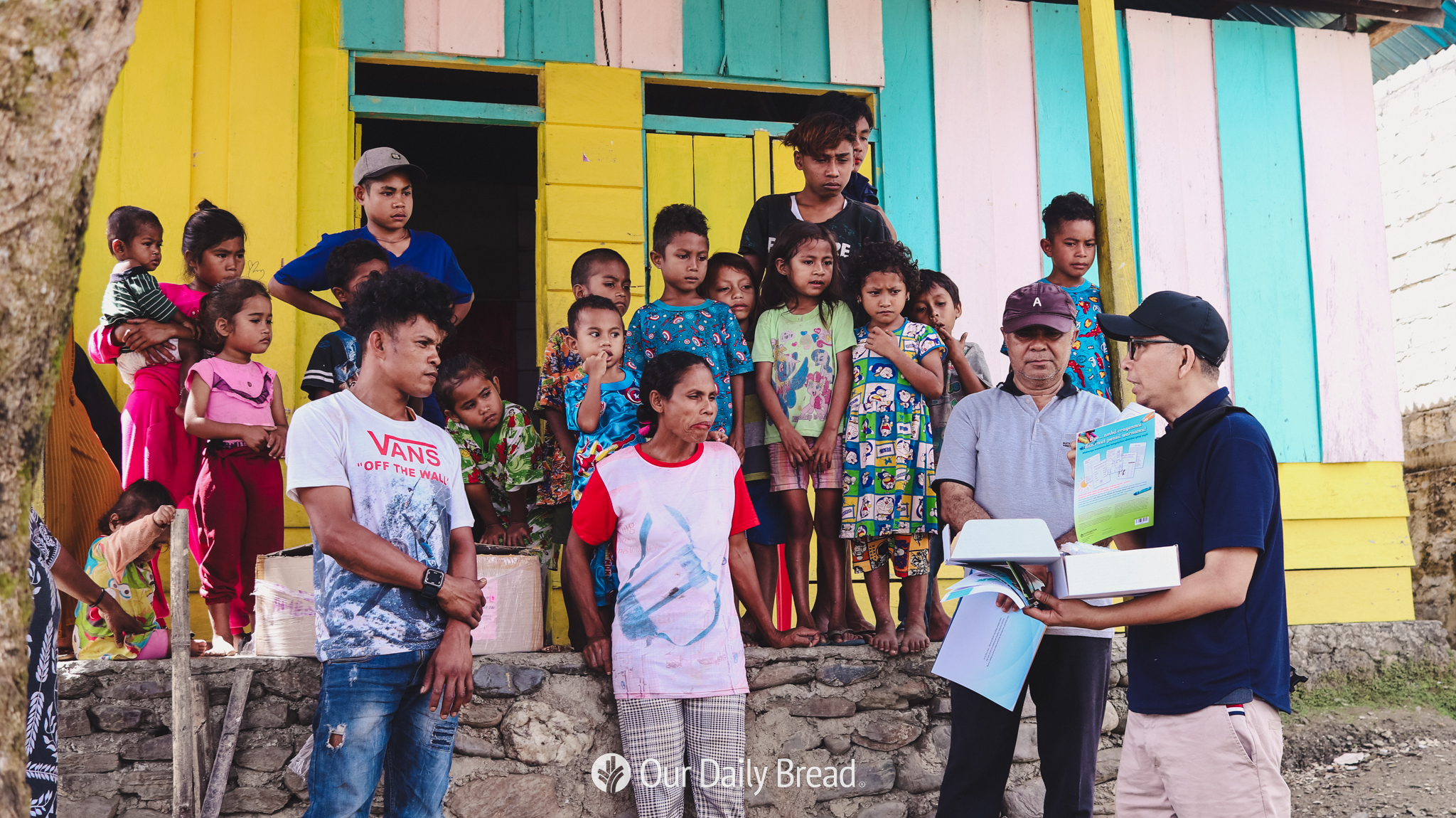
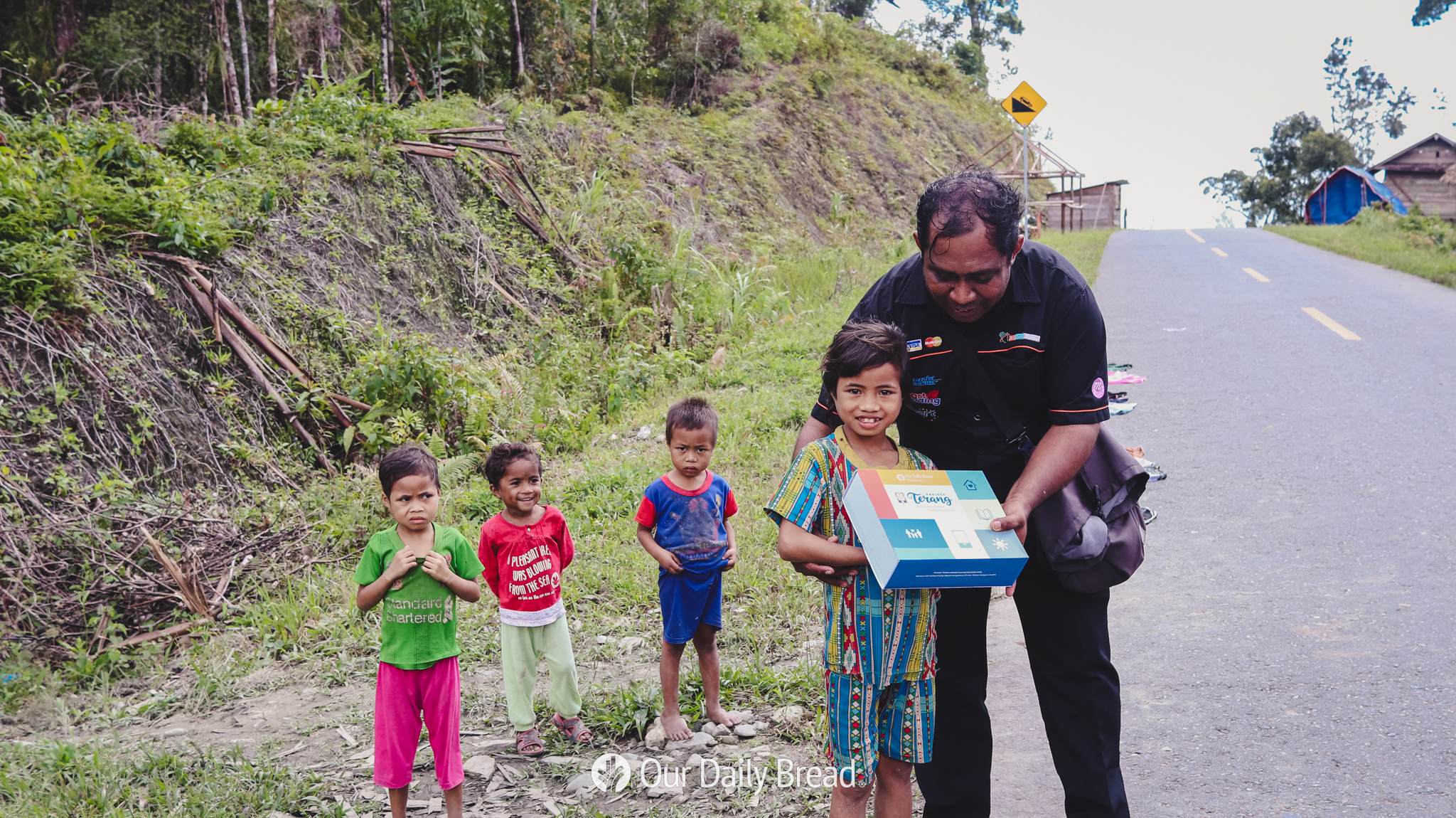
After we arrived and stretched our legs for a moment, the generator-powered loudspeaker on the church tower sounded, calling all the villagers to gather. Within fifteen minutes, the pews were filled. Pastor John introduced us to the congregation and explained the Project Terang mission, an effort to equip them with light—both the physical light from the solar lamps and the spiritual light from God's word.
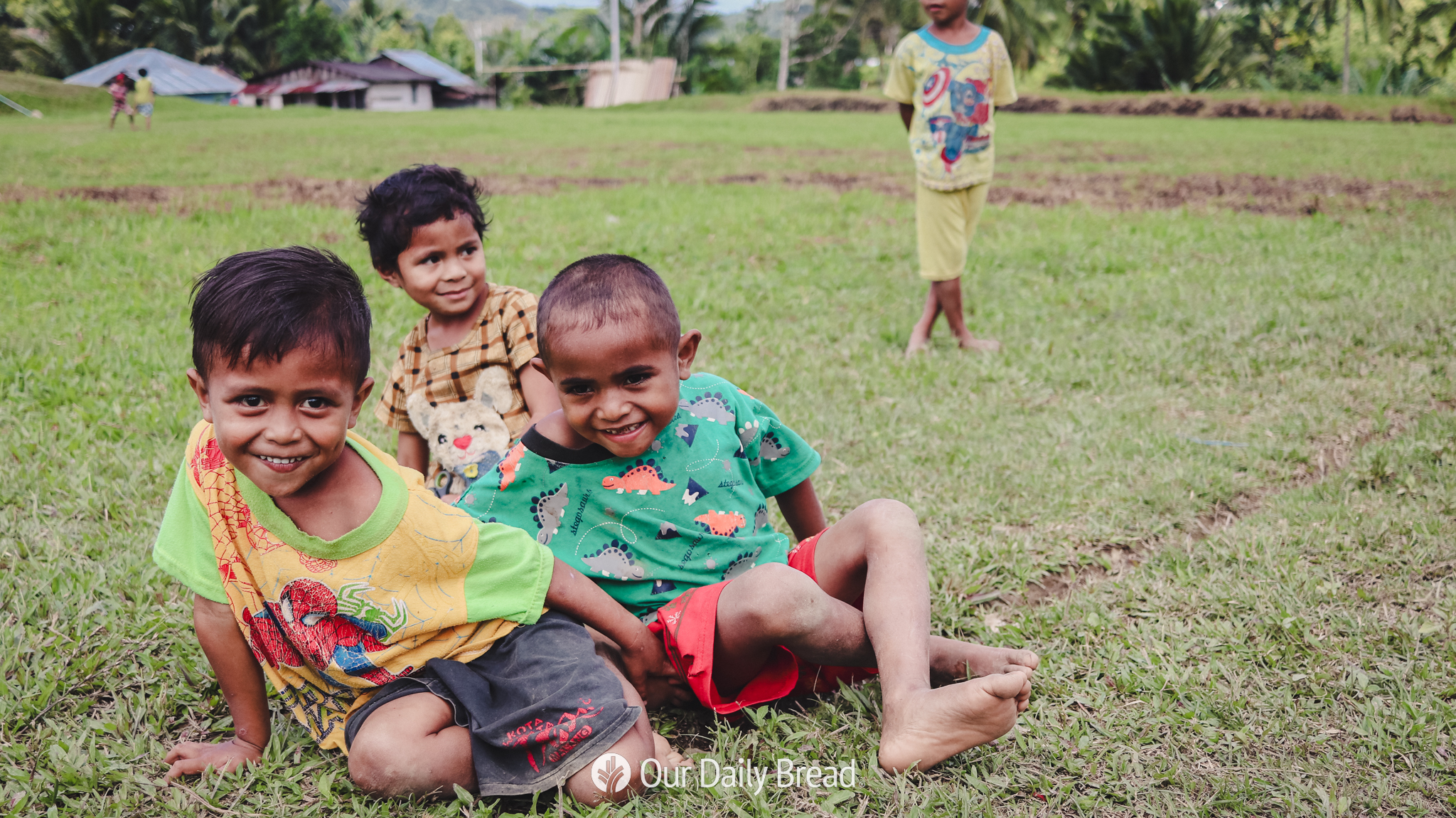
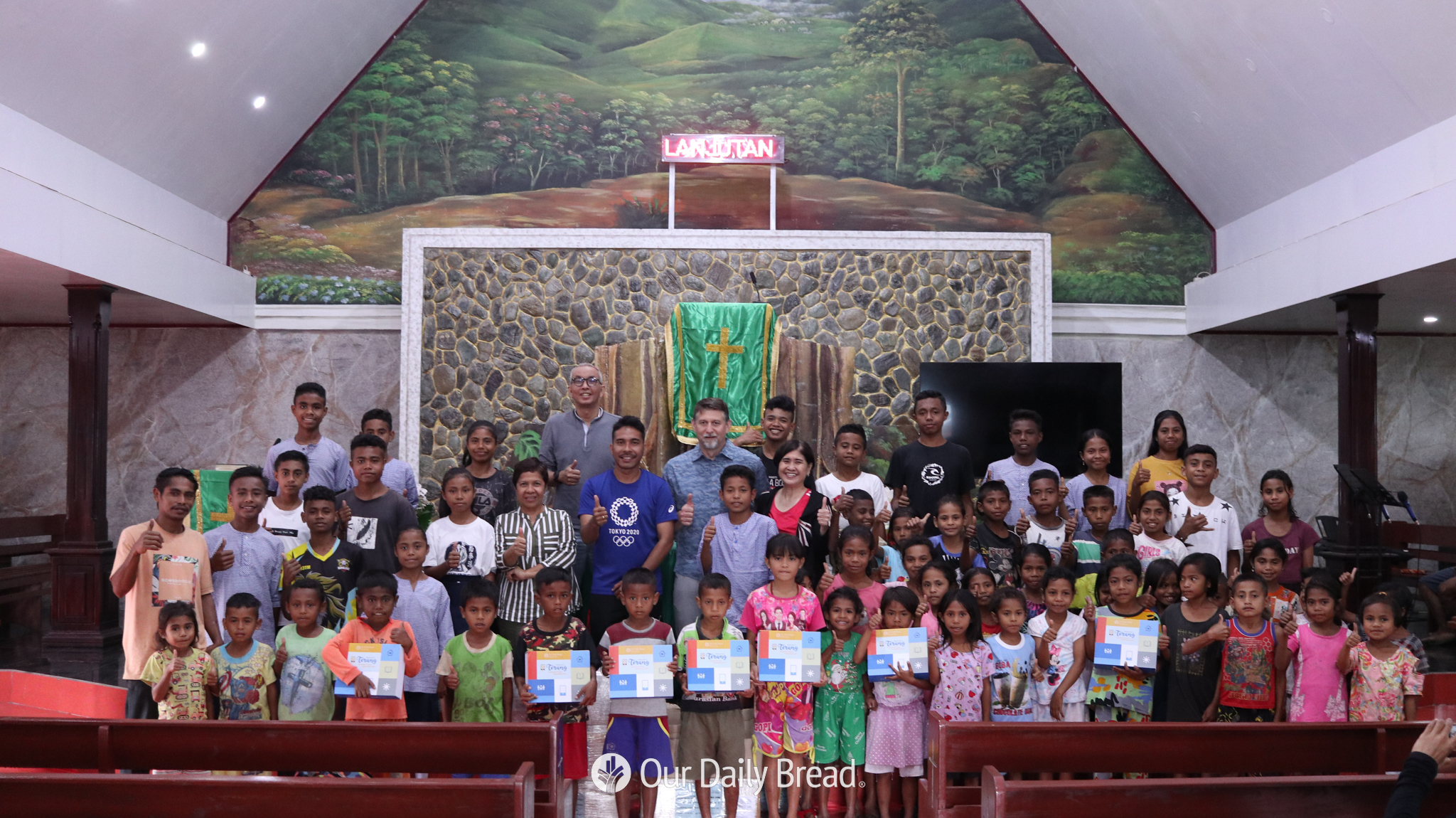
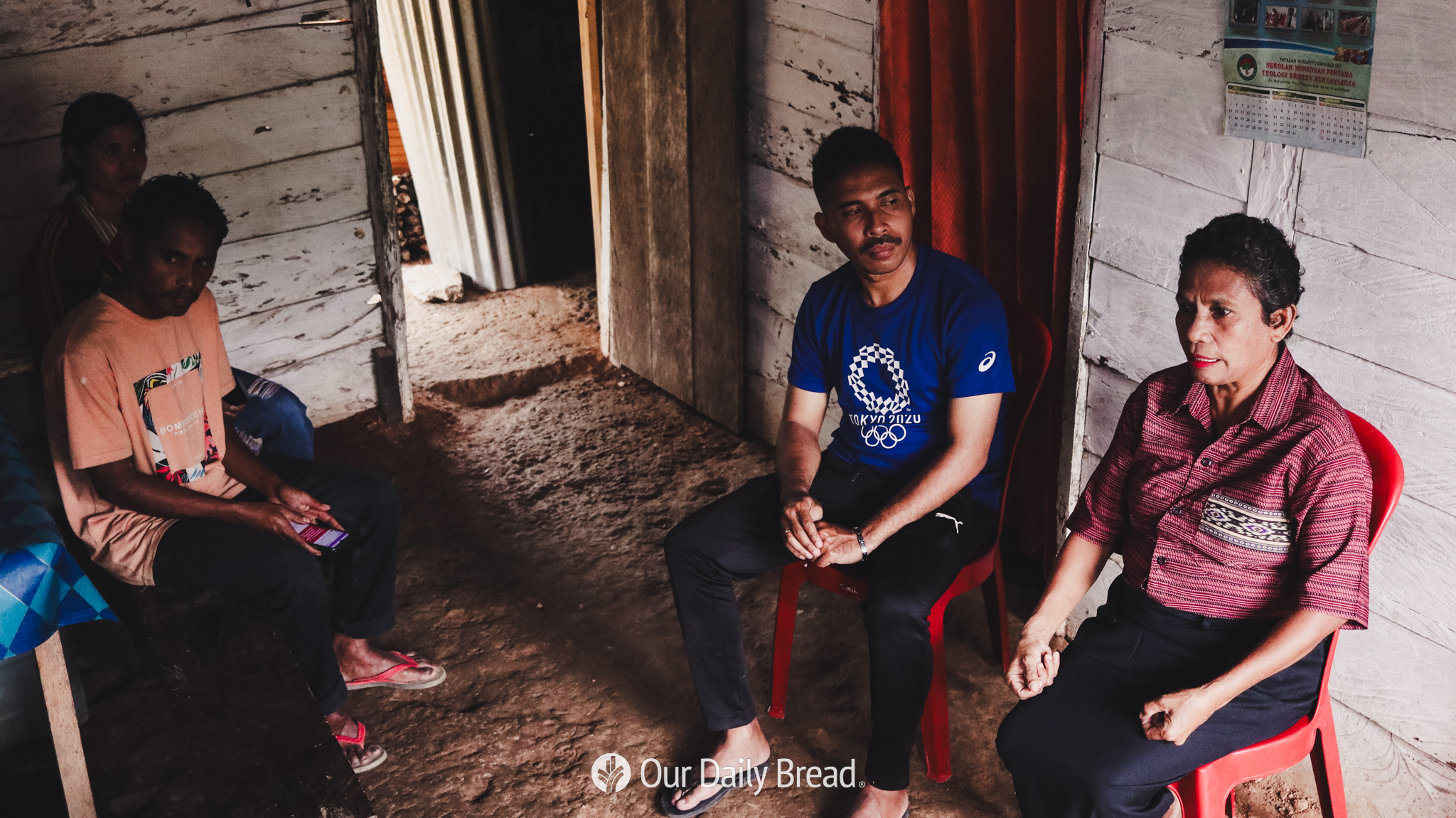
Buru Island was another story entirely. From Seram Island, we faced a longer and more exhausting sea voyage. The only guaranteed way to get to Buru Island is a 12-hour journey by ship from Galala harbor in Ambon. And that’s only if the seas are calm. If the waves are even slightly rough, the journey can take much longer, or in the worst-case scenario, the harbor master will forbid any sailings.
Seasick and sleep-deprived, we set foot on Buru Island. While the Christian population on Seram Island still hovers around 30%, in Buru Regency it is only 8.45%, and they live in locations that require extra effort to reach. From the regency capital of Namlea, we followed the main road that cut through the hills for 120 km towards Namrole. Life in the coastal areas was much like any other district in Indonesia—convenience stores were easy to find and lights shone brightly at night. However, after the village of Lolongguba, the landscape and atmosphere changed dramatically. Permanent brick houses gave way to wooden huts with tin roofs, a winding road cut through hillsides covered in eucalyptus trees, and the nights became silent. The only light came from solar-powered street lamps, while in the villagers' homes, paraffin lamps were their companions in the darkness. Electricity poles had been erected, but the current had not yet reached this area, partly because the Way Apu hydropower plant was not yet fully operational.
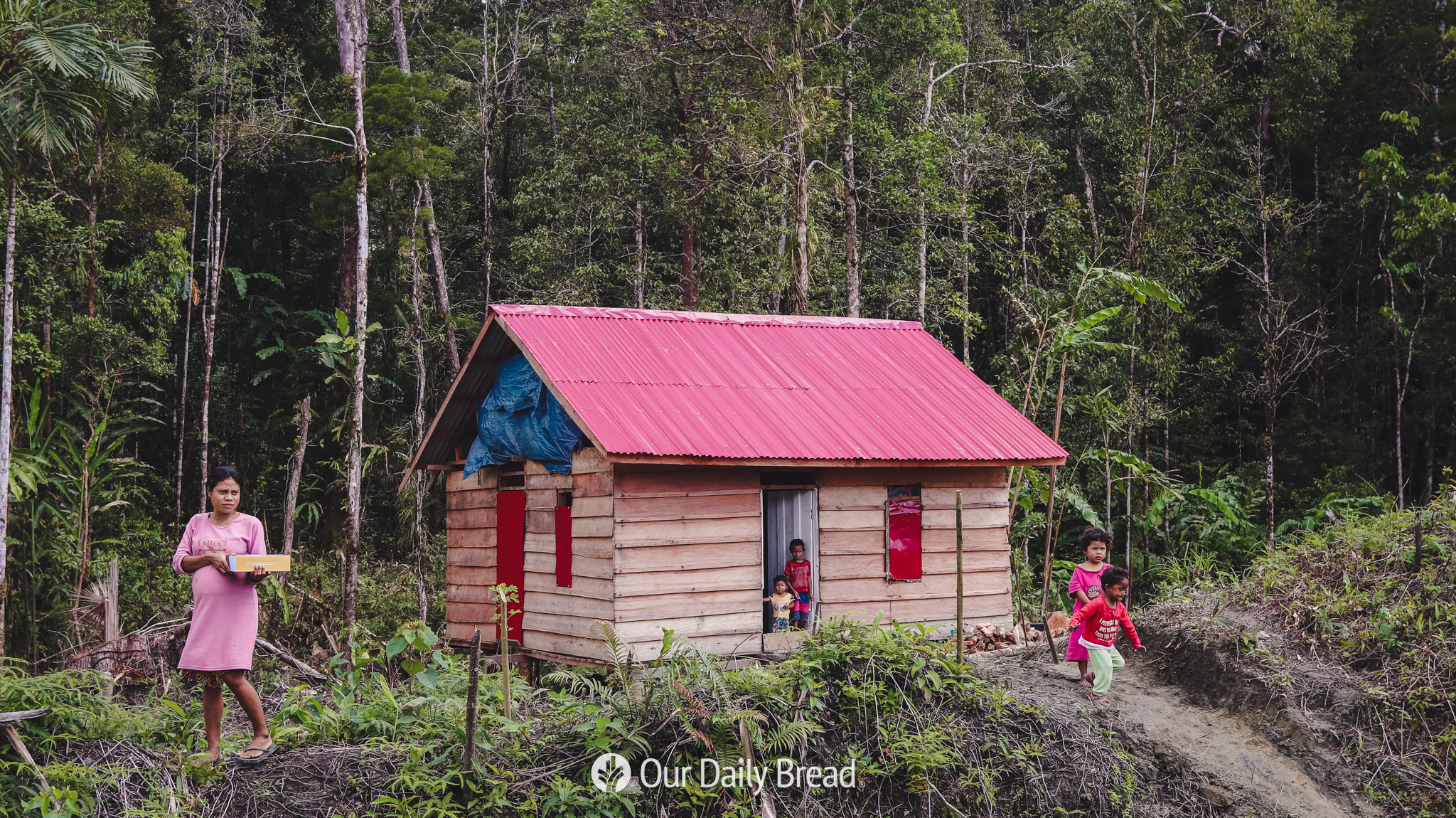
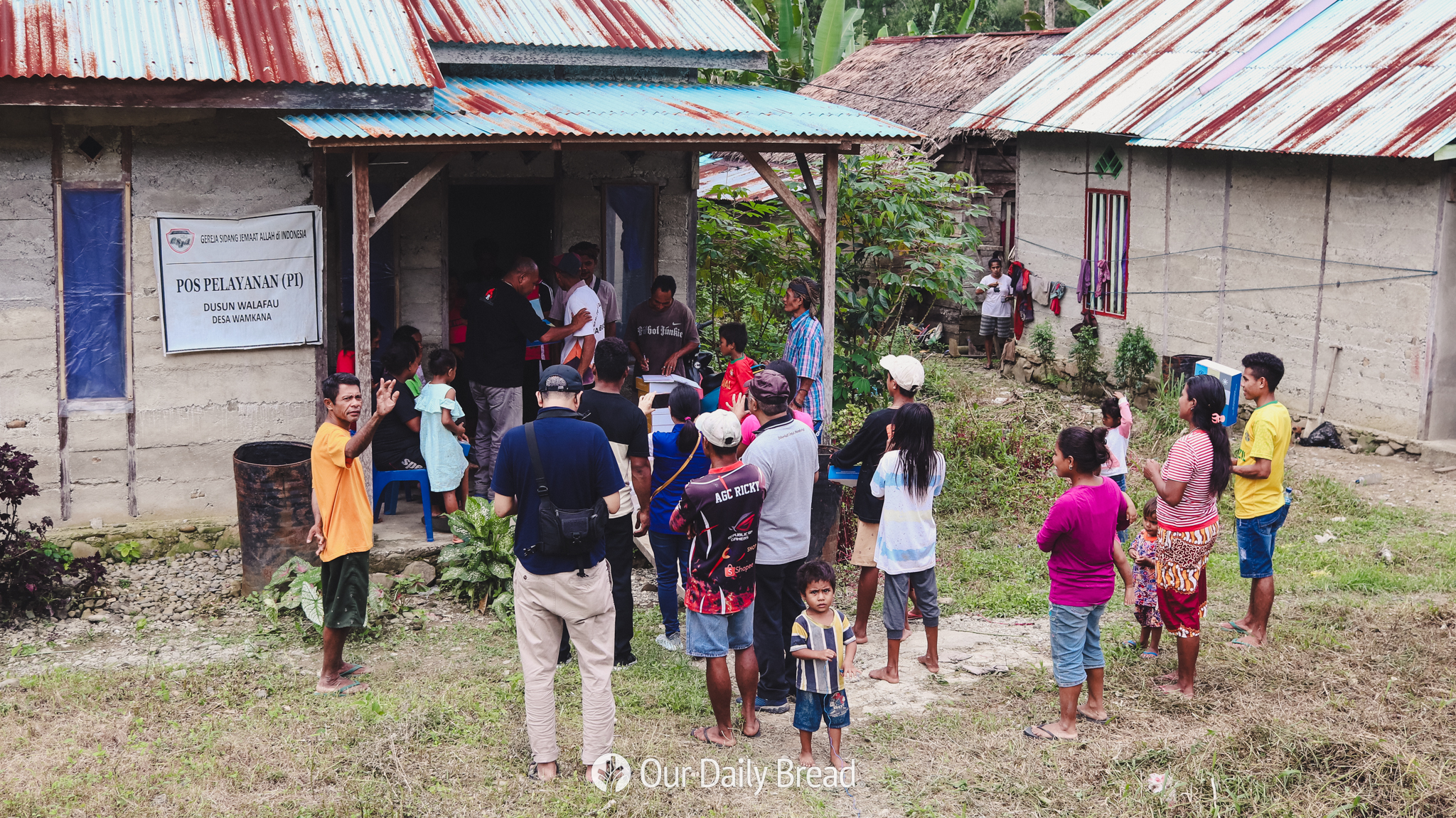
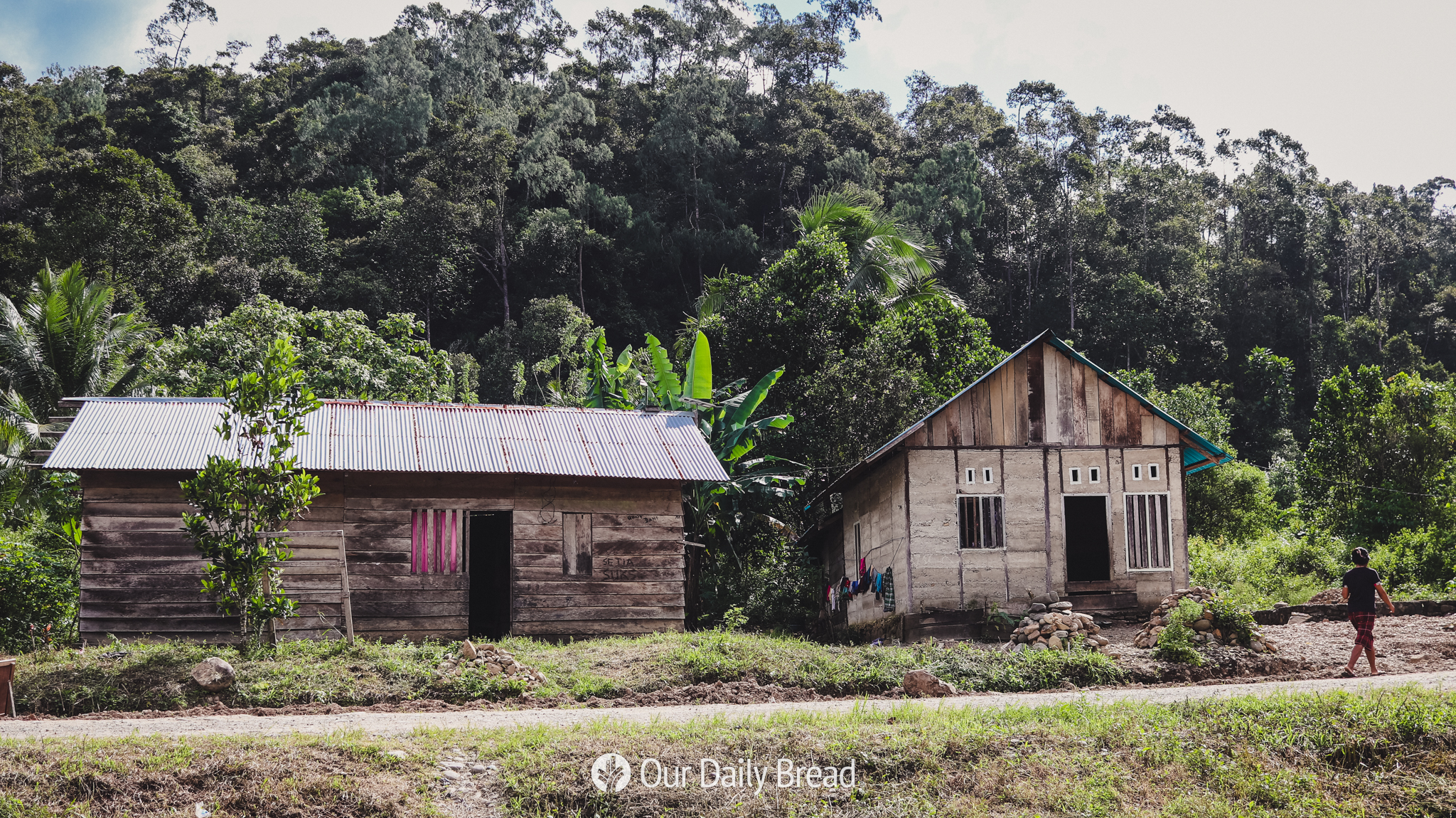
At the eight villages we visited, it would not be exaggerating to say that the Christians on Buru Island live in dire conditions. As well as being geographically isolated, their spiritual lives were in dire need of renewal. In Modanmohe Village, children didn’t attend school. And in some cases, we heard child marriage was common—not as a cultural practice, but due to poverty leading parents to see it as a shortcut. Upon arriving in South Buru Regency, we had to switch to an off-road ambulance to reach Walafao Village, as no other vehicles were available, tackling a 17 km muddy track from Namrole, the capital of the regency.
However, amidst the struggles of the Christians in Buru, we met people who are continuing the work of Joseph Kam, dedicating their lives to tending the Gospel in various ways. Two of these figures were Pastor Rollis, better known to the villagers as “Pak Guru” (Teacher), and Pastor Roswell. We were given a place to stay at a boarding school run by Pastor Rollis and his wife. The school houses around 30 students of various ages, equipping the younger generation with a proper education—because one of the most effective ways to empower the community and break the cycle of poverty and child marriage is through education.
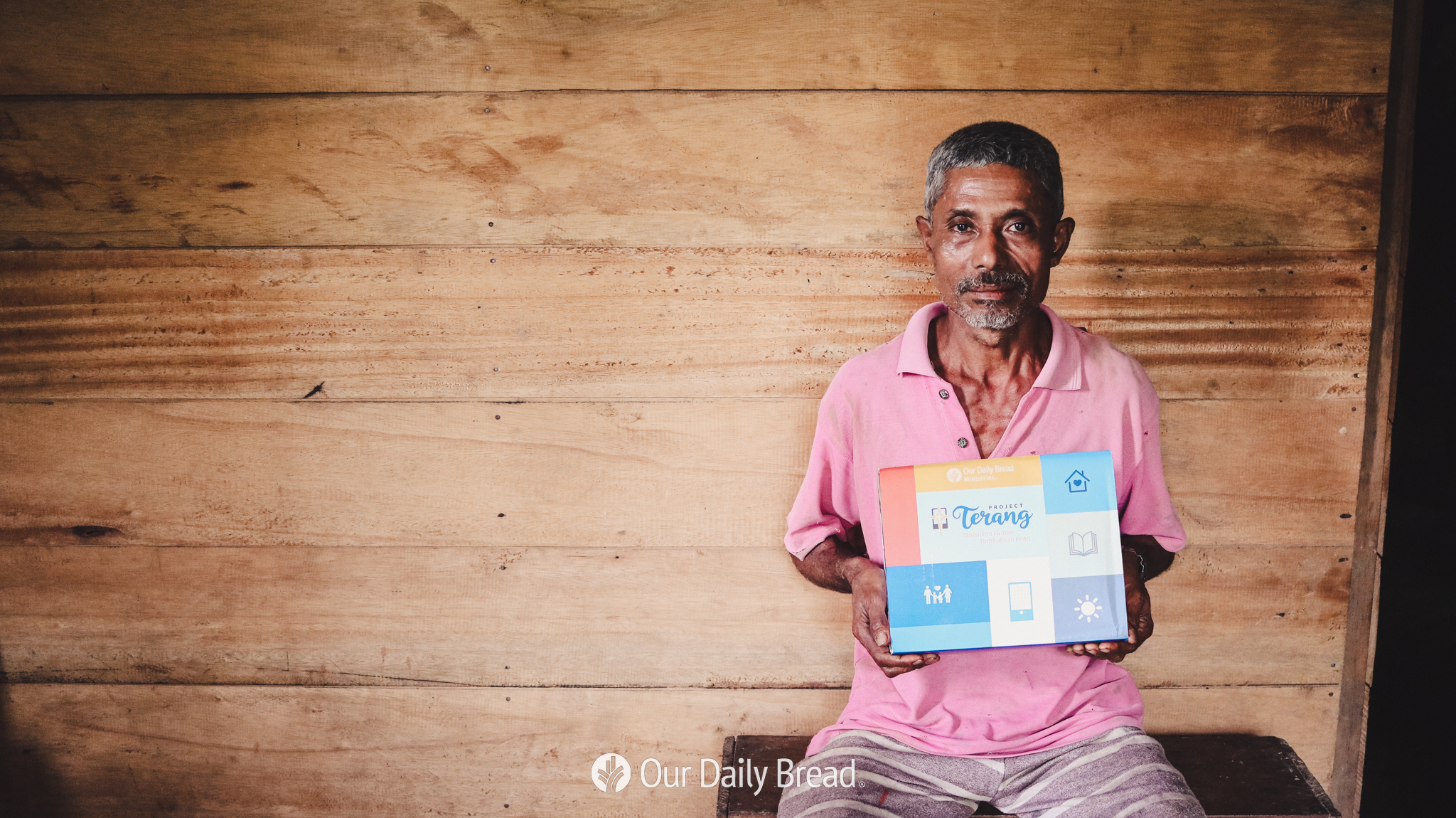
With the help of Pastor Rollis and Roswell, we were able to distribute over a hundred “light packages” to the residents of eight villages. Their work doesn't stop at just giving; these two servants of God also guide the villagers in building a personal relationship with Christ through reading the Bible and spiritual books. With the help of the solar lamps, they can use their evenings after working in the fields and forests to grow their faith through the Scriptures.
***
Throughout the journey of Christianity, from the early church to the modern age, the Gospel is like a seed: not only sown and planted, it must also be tended and nurtured until it sprouts, grows, and bears fruit. God has used many notable figures to carry out this mission, from Apostle Paul to Joseph Kam.
However, this noble task is not the responsibility of just a select few. We, as believers bound together in the faith and love of Christ, have a duty to nurture the well-being of our brothers and sisters. Aside from their physical needs, we must not overlook their spiritual needs. If you have been earnestly praying for God to sustain mission work in various places, please also pray for the Project Terang ministry. Pray that through it, God may answer and refresh the longing of His children who wish to know Him more deeply. We believe that knowing God will enable them to live differently and be a blessing to the community around them.
Mission work never stops at mere statistics. Let us pray joyfully for, and support, this ministry.